



The Barack Obama Foundation Presidential Center
Level-1 designed high-capacity wireless infrastructure to support the operations of a 250,000-square-foot civic and cultural campus.
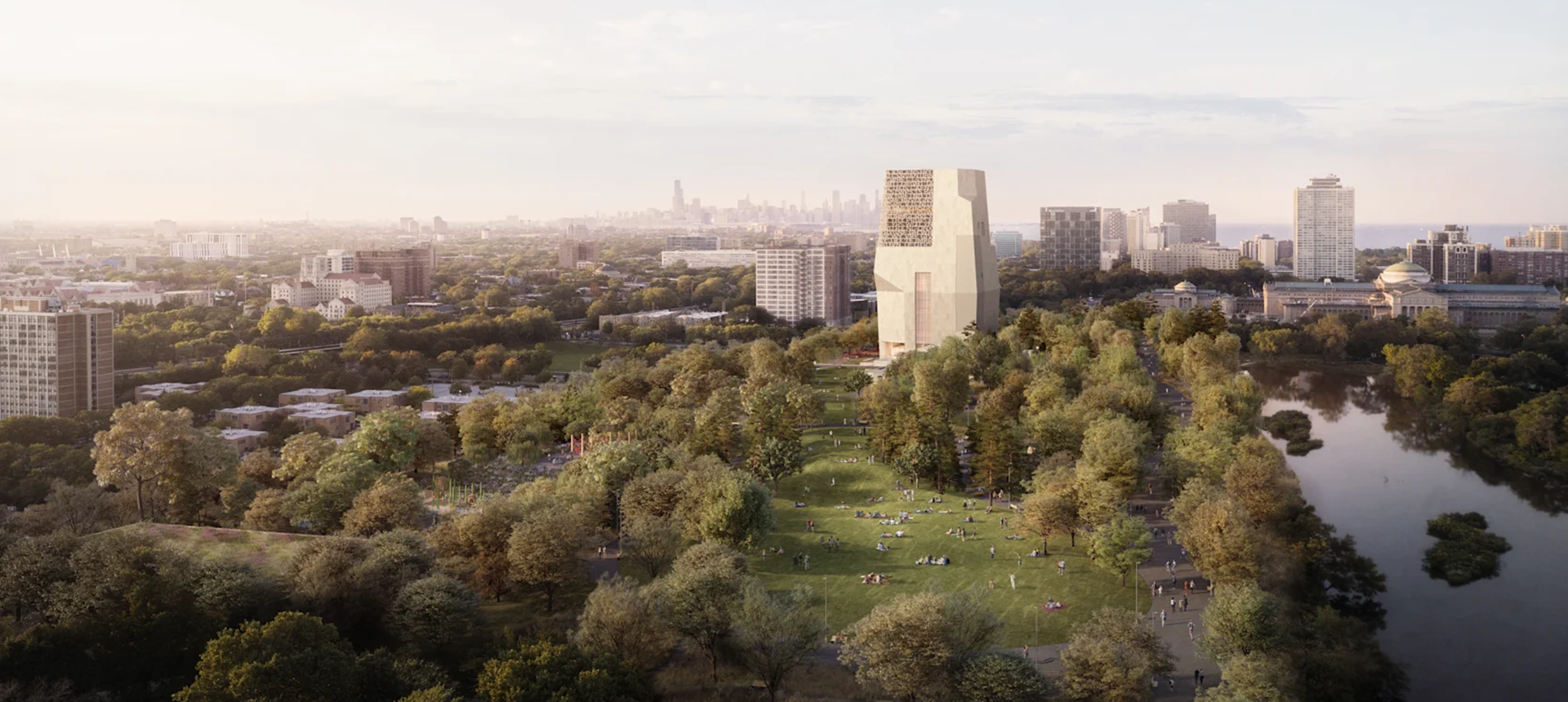
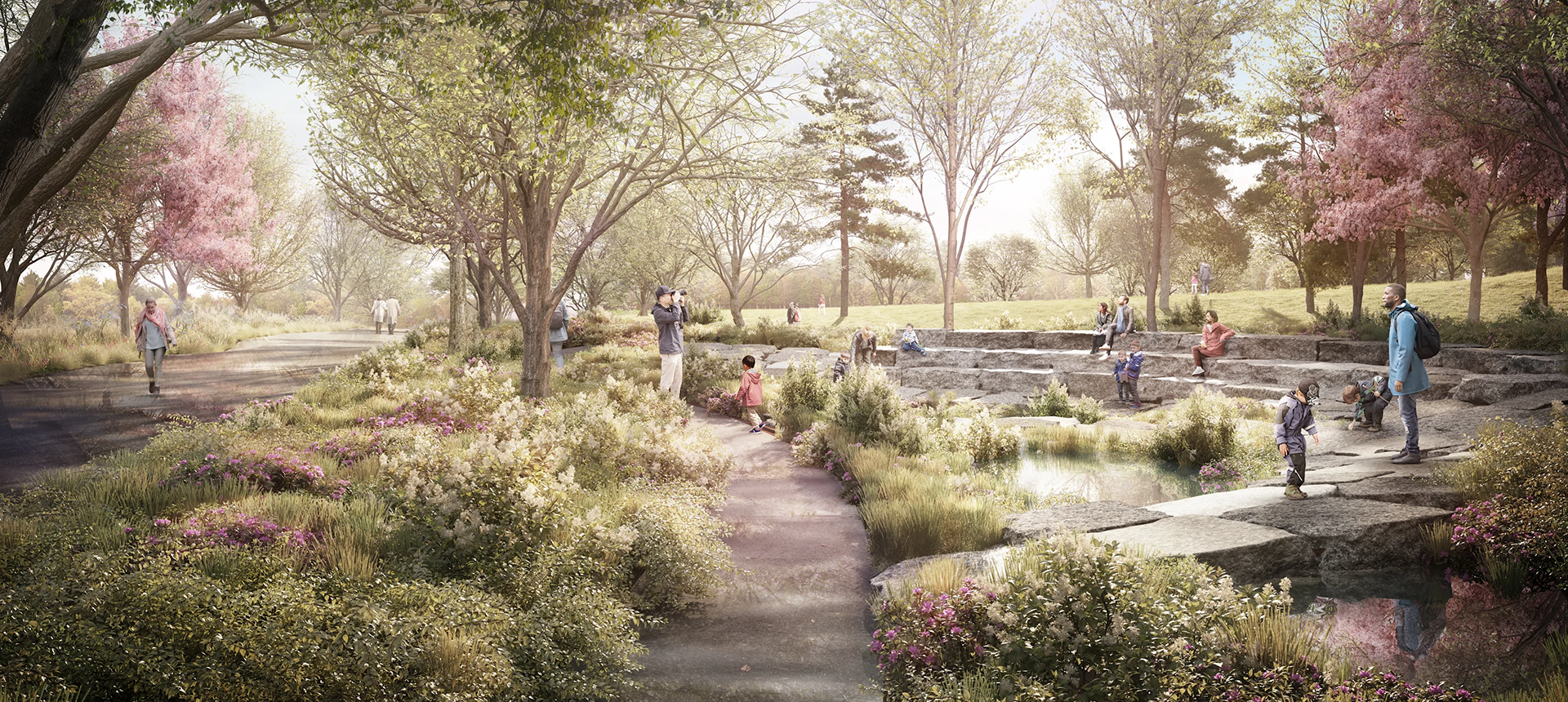
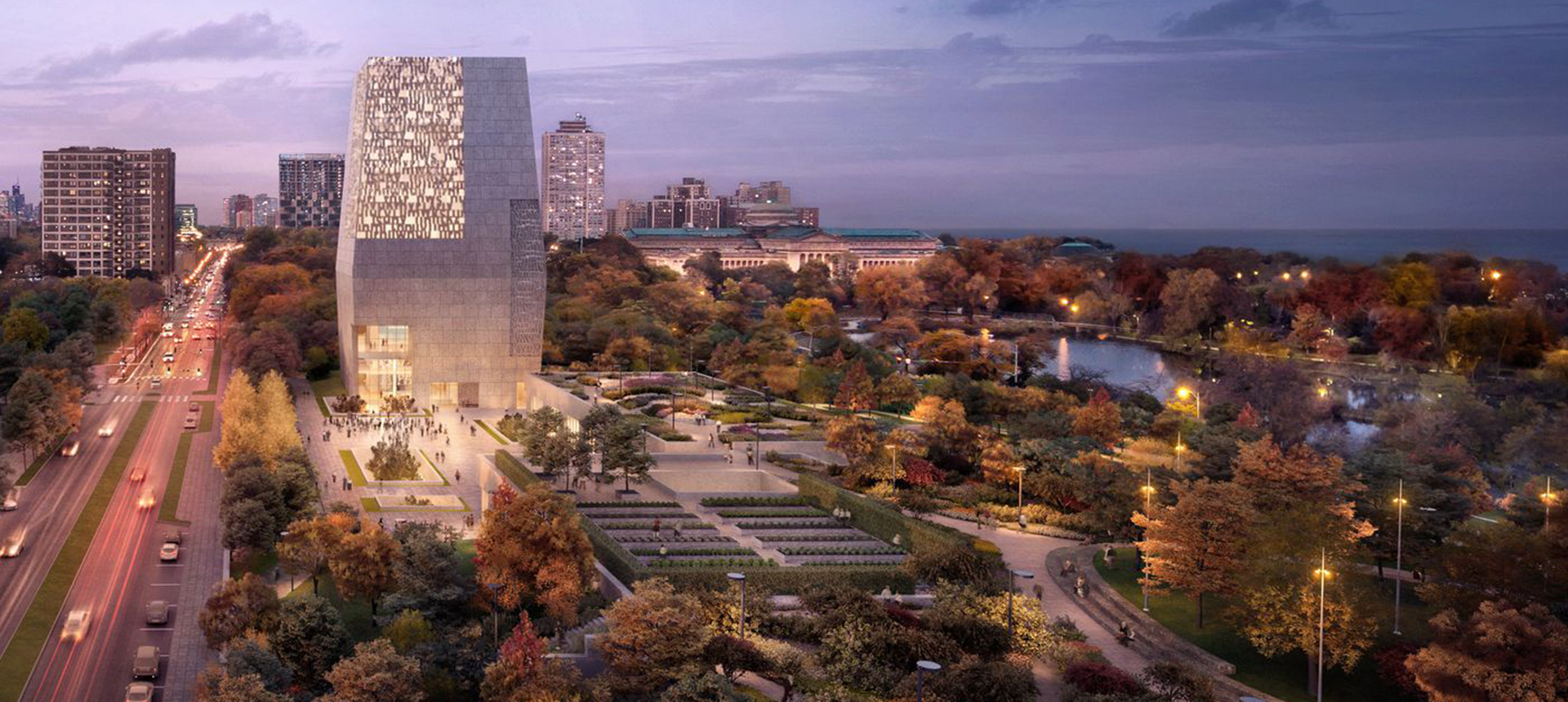
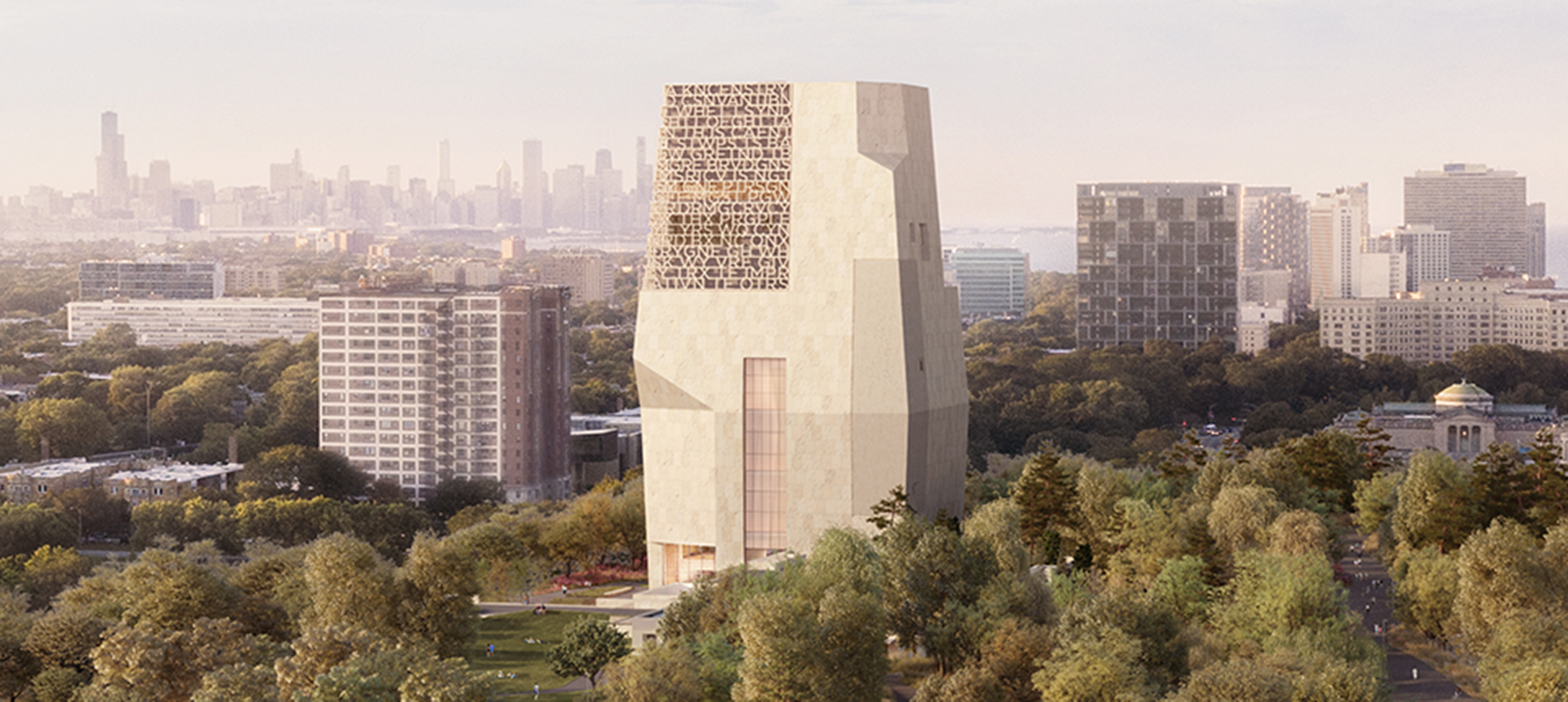
At the Obama Presidential Center in Chicago’s Jackson Park, memory and motion are being configured in tandem. The Center is more than a museum. It is a cultural campus, a civic experiment, and a site of public record set within the urban and ecological grain of the South Side. Spanning nearly 20 acres, it holds layers of civic life: archives, classrooms, gardens, event spaces, reading rooms, and corridors of movement between them. A branch of the Chicago Public Library will be housed within the Center, expanding access, learning, and public presence at the heart of the institution and none of this can function without systems configured to support those activities.
Level-1 Global Solutions, in partnership with CDW Technologies, was brought on to design the technological infrastructure spanning over 250,000 square feet, both indoors and across the surrounding parkland. We delivered a wireless environment built to support thousands of simultaneous users, across high-density museum zones, outdoor mesh environments, and campus-wide administrative systems.
What We Enabled
- Over 232 wireless access points, mapped, staged, and deployed across the site
- Enhanced high-density design using Meraki MR57 and MR86 APs
- Dual-band spectrum support (2.4 & 5 GHz) tuned for interference resistance
- Seamless wireless handoffs between buildings, courtyards, and open space
- Coverage configured for voice, data, analytics, and mobility services
- Integration with security systems, guest access management, and internal operations
- Post-cutover support and consultation, including engineering knowledge transfer and monitoring
Thus, enabling the full civic function of a space designed to educate, convene, and inspire. Designed using Meraki architecture and modeled with industry-leading Ekahau tools, the system is calibrated to anticipate, not just respond to shifting operational demands. It adjusts itself to accommodate large gatherings without compromising private communication. It ensures continuity between open parkland and climate-controlled museum halls. It acts less like a utility, and more like a spatial collaborator.
This is how infrastructure participates in architecture not as an afterthought, but as a precondition. We understood that the center’s public ambitions demanded systems that were not just present, but prepared: to endure complexity, scale. So, we helped construct the digital foundation of a civic institution, one capable of hosting, holding, and connecting to the public for decades to come.